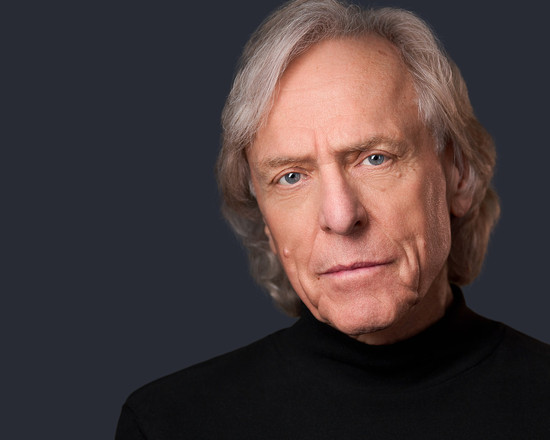
Jeff Weiser
Jeff Weiser is a fine-art photographer and former national television commercial director/cinematographer whose work explores the emotional truth of people and place.
For more than three decades, Jeff worked as a director and cinematographer, creating national television commercials and developing a visual approach grounded in light, composition, storytelling, and—most importantly—people.
In recent years, his attention has turned increasingly toward fine-art photography and a more personal kind of storytelling.
At the center of that work is True Americans, a long-term photographic project documenting Navajo (Diné) and Hopi people and the extraordinary landscape of the American Southwest.
Jeff’s approach is based on presence rather than performance. He is interested in the moments when people stop posing for the camera and simply become themselves. His portraits seek dignity, honesty, quiet strength, and the connection that can develop between photographer and subject.
Over the course of the project, Jeff has photographed Navajo and Hopi Elders, families, and multiple generations. Among those who have sat for him are legendary Navajo Code Talkers Peter MacDonald and John Kinsel, whom Jeff photographed at age 107 before his passing in 2024.
The project has taken Jeff repeatedly through Monument Valley, Canyon de Chelly, and the surrounding Navajo and Hopi lands, where portraits and landscapes have gradually become parts of the same story—a story about people, place, history, endurance, and identity.
Jeff’s photographs are permanently installed at Utah State University’s new Monument Valley education building, and have appeared numerous times in Black & White Magazine as well as museums, galleries, and juried exhibitions throughout the United States. His solo show exhibition of True Americans at Broadview Gallery in Cleveland, Ohio brought together more than 100 photographs from this continuing body of work.
Now based in Denver, Colorado, Jeff continues photographing throughout the Southwest and developing True Americans toward a large-format book of portraits and landscapes.
After a lifetime behind cameras, his purpose has become increasingly simple:
To make photographs that allow people to be seen—not as characters or symbols, but as themselves.